The classroom was buzzing with excitement. Students who had never spoken up before were suddenly engaged in deep conversations, using academic vocabulary with confidence. This transformation didn’t happen overnight—it happened with QSSSA. I am privileged to support districts across the country in their implementation of this powerful strategy. We all know students need structured discourse—the key to helping them process their learning and internalize academic vocabulary. And QSSSA does exactly that.
QSSSA is so powerful because it helps teachers to design an open-ended question that corresponds with the standard and lesson target, and it encourages students to signal when they are ready to respond, providing wait time. Teachers design a sentence stem with the vocabulary they want students to use, creating inertia to start the conversation. Then, teachers designate how students will share, including who shares first and who shares next. An “elbow partner” is a convenient way for this to happen. Finally, teachers plan for a structure to hold students accountable for the type of conversation they would like to see. This could look like a sampling of student answers via a randomization system, a written response, or something as simple as the teacher walking around and listening to the conversations for points they want to bring to the whole group.
Like many effective strategies, the real challenge with QSSSA lies in achieving consistent implementation across an entire campus. That’s where consultants from Seidlitz Education (like myself) often step in—to bridge the gap when some educators haven’t fully embraced the methodology or struggle to apply it effectively in their classrooms. It’s no secret that teachers are navigating an overwhelming array of expectations and initiatives. In my work, I often hear concerns such as:
- “I don’t have time for it. Too many curriculum restraints, too little class time.”
- “My students won’t do it. They won’t talk to one another.”
- “We don’t have space in the classroom for table groups.”
- “Too hard to manage and get the kids back on task after we release them to talk.”
In these moments, what teachers need most is support—just as we all have at different points in our teaching careers. Coaching educators through this process is truly rewarding, especially when I get to model QSSSA in their classrooms with their own students (who, as it turns out, do end up talking to each other!). While it’s impossible to step into every classroom and personally turn every educator into a “QSSSA Believer,” I want to share one powerful story that proves just how effective this strategy can be. If it worked in that setting, I have no doubt it can work in yours, too.

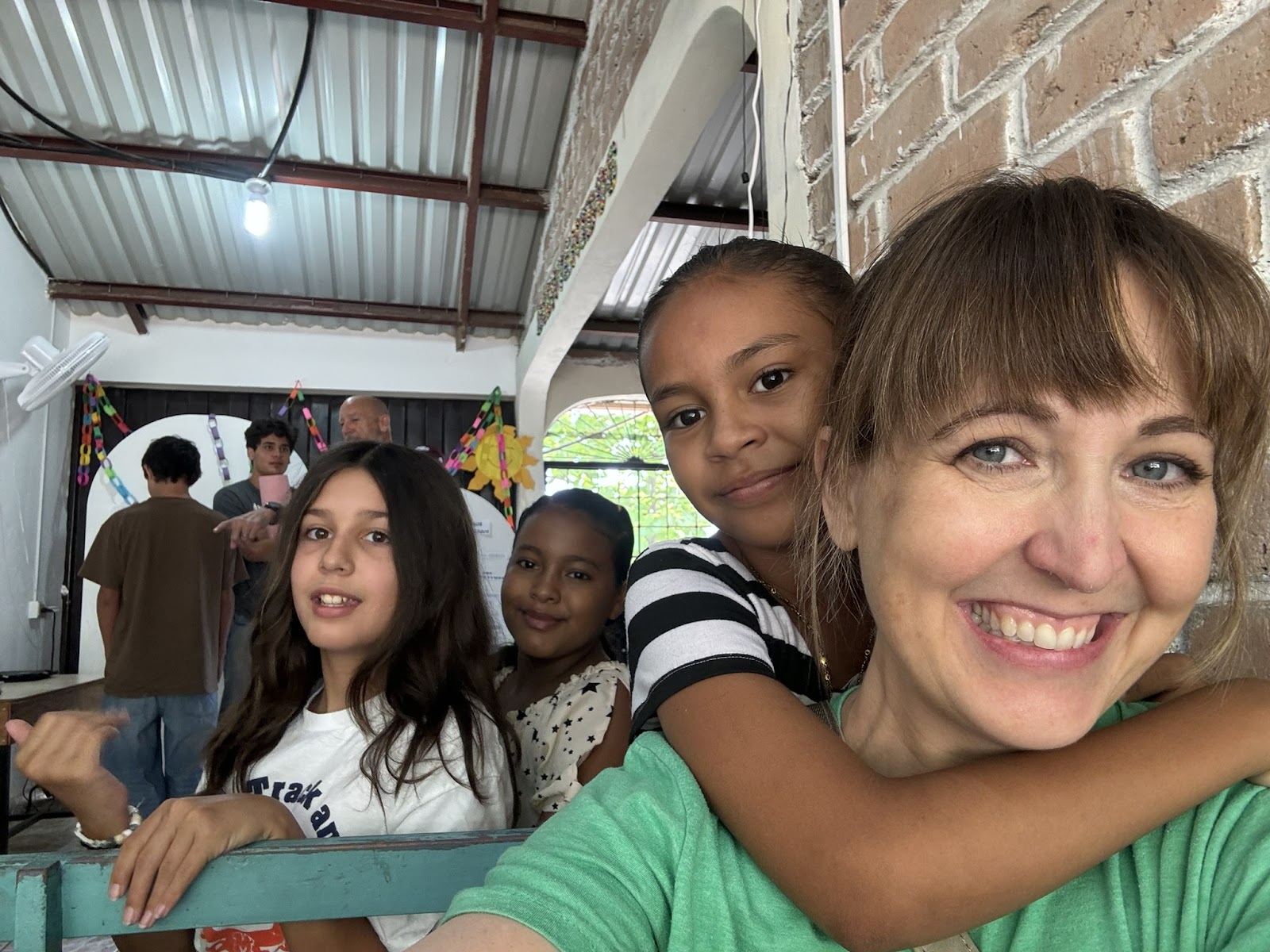
This summer, I had the incredible opportunity to visit the NiCo Program (Holistic Development of Children—Community) in La Paz, Honduras. This inspiring afterschool program serves students identified by the public school system as needing additional support. The dedicated teachers at NiCo provide far more than academic tutoring—they offer nutritious meals, mentoring, therapy, and a safe space for children in grades 1 through 6 to grow and thrive. Many of these students face immense challenges, including poverty, food insecurity, and vulnerability. Yet, through NiCo’s holistic approach, they achieve remarkable progress.
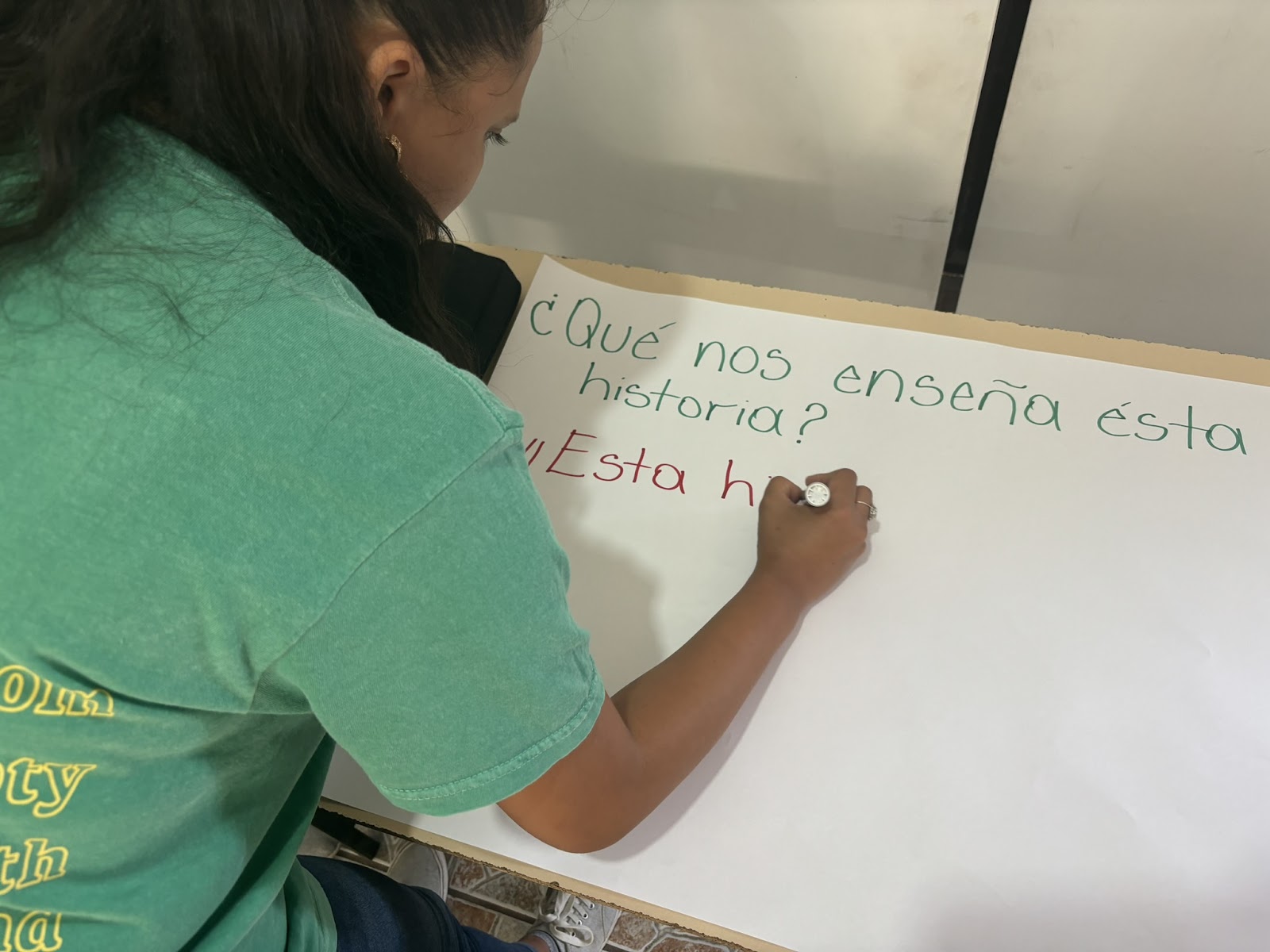
Seidlitz Education was honored to partner with Orphan Outreach to support these extraordinary educators. Together, we provided resources tailored to their needs, including Toma La Palabra and training on how to guide their students in fostering “conversaciones responsables.”

The learning space was packed, every corner full of people. Time was short, and there was so much to accomplish. The students weren’t used to talking to each other during instruction, and, as expected, behavior challenges arose—an understandable reality when working with children from hard places. But despite the obstacles, these resilient students rose to the occasion. They embraced the process, and by the end, they were actively engaging with one another.
The teachers in Honduras are now proud “QSSSA Believers.” So, what about you? Are you ready to see what this strategy can do in your classroom?
Order QSSSA: The Essential Method for Structuring Conversations in All Classrooms from our shop or from Amazon, and contact us to learn about bringing a QSSSA training to your campus or district.

 Seidlitz Education