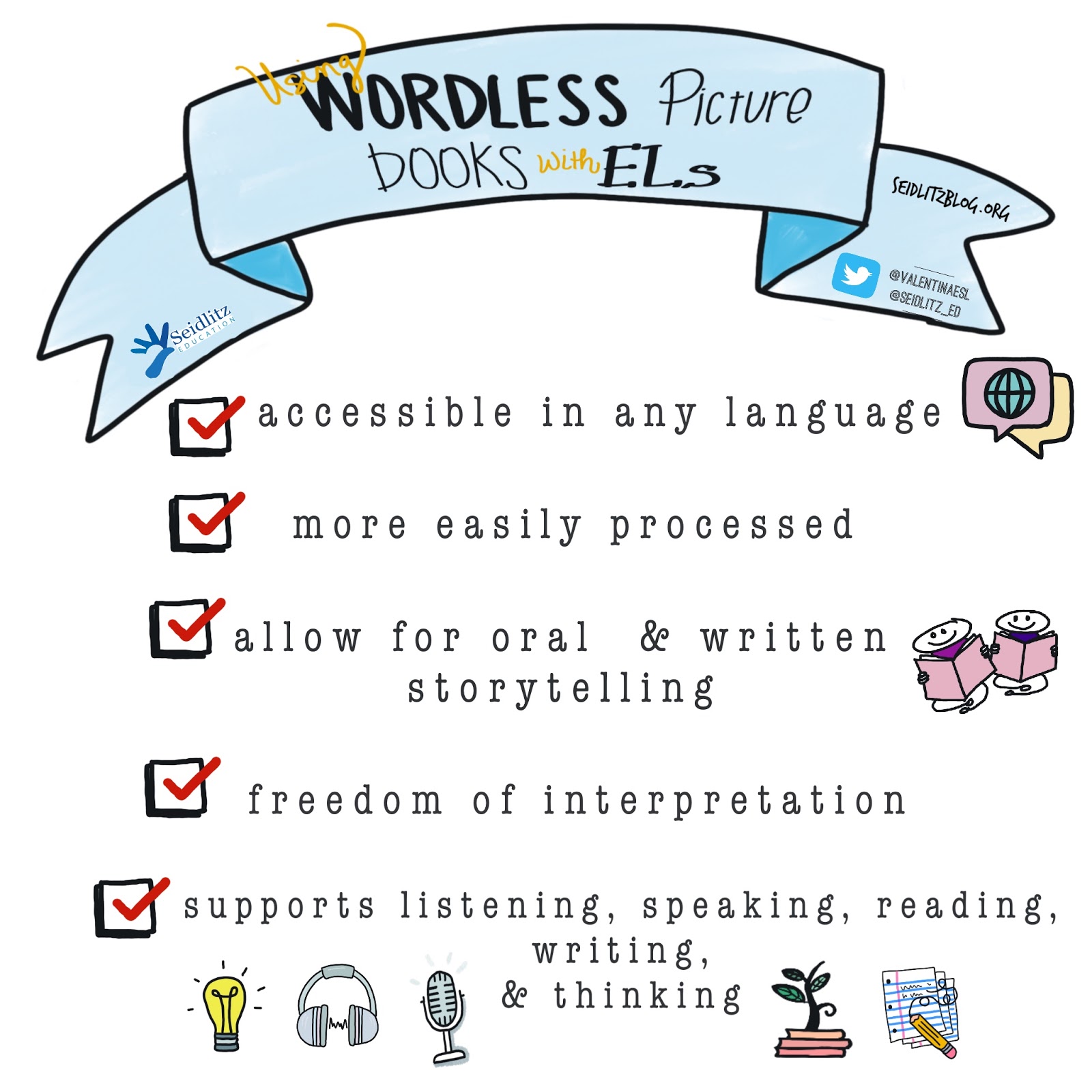
Continue reading “The Potential of Wordless Picture Books for English Learners”
Author: Seidlitz Education
Sometimes…
by Emily Francis
It doesn’t happen as often as it should, but when it does, it is the most amazing feeling one can experience. That moment when you’re reading a book and you see your life and family experiences reflected on every single page. That moment when you see text and images intertwine on a page to bring forth cultural validation and acceptance. That moment when you close the book and cry tears of happiness because you realize that stories are so much deeper than you ever thought. Continue reading “Sometimes…”
What Does Sheltered Instruction Look Like for eLearning?

Three weeks ago the world of education was turned upside down. As they prepared to return from spring break, teachers and students found an unexpected message in their inboxes: you will not be returning to the classroom. There was no mention of how long this uncertainty would last, nor what “online learning” would look like (no one knew the answer to either of those questions … yet). Many school districts rose to the occasion like champions and did the unthinkable: developed a whole new system of eLearning in about 48 hours. But a certain group of students was left in the lurch. Continue reading “What Does Sheltered Instruction Look Like for eLearning?”
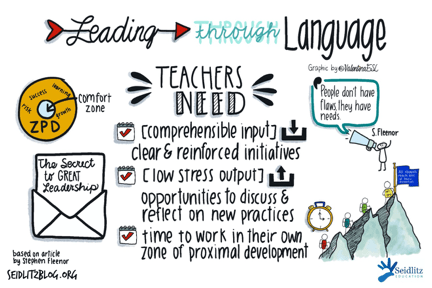
Could Teaching English Learners Be One of the Secrets to Great Educational Leadership?
Author’s Note: While I have been planning this blog post for months, the recent COVID-19 outbreak and resulting upending of our schools makes this post all the more timely. The takeaways from this post, which are more important in the COVID-19 outbreak than ever, are: communication with our students and teachers needs to be clear, consistent, and reinforced, and teacher voice is more valuable than ever in crafting new solutions in an ever-changing world.
Continue reading “Could Teaching English Learners Be One of the Secrets to Great Educational Leadership?”
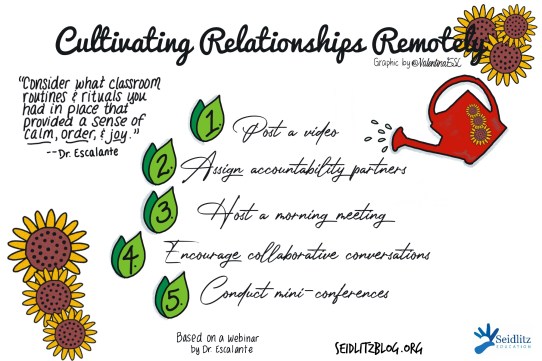
Holding ALL Students Accountable to the Learning When You’re Teaching and Learning Remotely
by Valentina Gonzalez
Remote or distance learning can be described as learning environments where teachers and students are physically separated. Many educators in the United States and in the world no longer have to imagine what remote or distance learning is like, because they are living it. This situation is challenging, to say the least.
Remote teaching and learning won’t look the same everywhere. It varies among states, districts, and classrooms. If this is your first experience with remote teaching and your students’ first experiences with remote learning, you probably have some hurdles to face and bumps in the road to overcome. Continue reading “Holding ALL Students Accountable to the Learning When You’re Teaching and Learning Remotely”
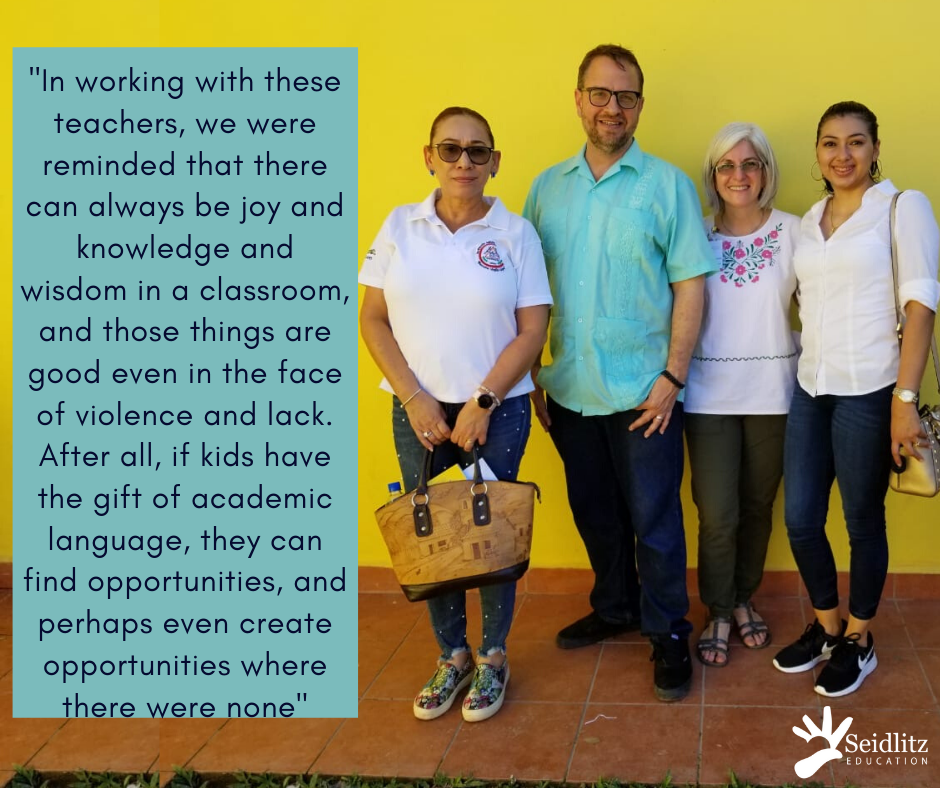
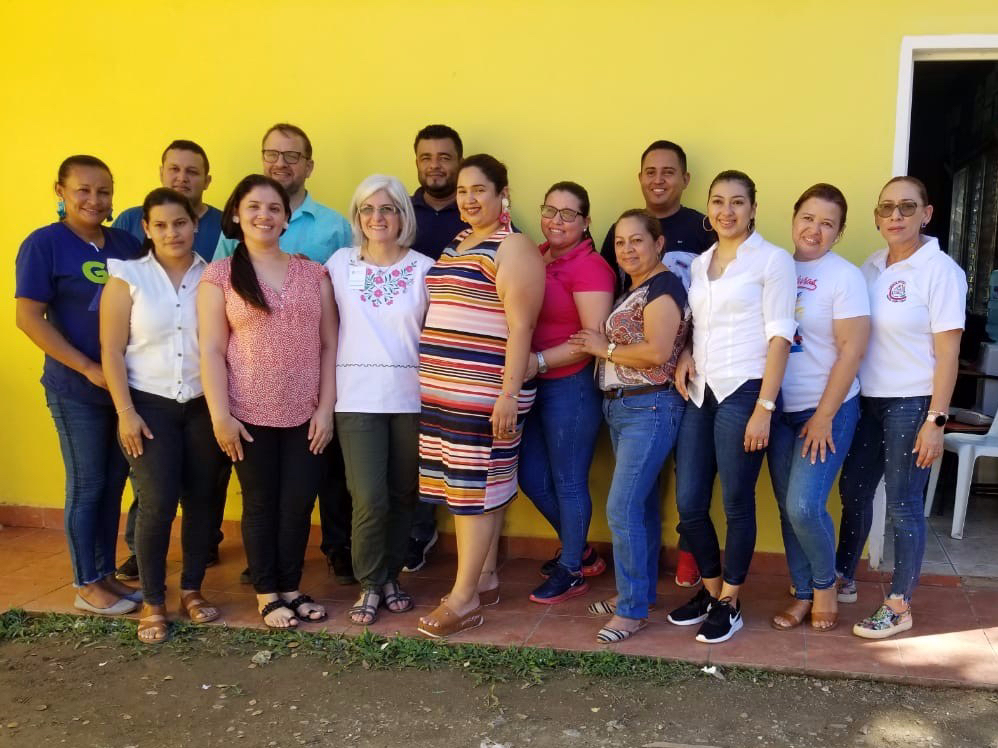
What We Learned Teaching Teachers in Honduras
by Dr. Mónica Lara and John Seidlitz

These are certainly trying times, in the midst of all of this, we wanted to share with you our recent experience working with teachers in Honduras.
Earlier this month, we had the opportunity to join the Catholic Diocese of Dallas on a medical and educational mission trip to Honduras, to the town of Bonito Oriental. On the medical side, doctors and volunteers were there to provide annual healthcare for the citizens. On the educational side, the goal was to help enhance the quality of education. In particular, we were working with one of the Catholic schools in the area to support the teachers there and lay the groundwork for a partnership that we hope will eventually provide training for many, if not all, of the local Catholic schools. Continue reading “What We Learned Teaching Teachers in Honduras”
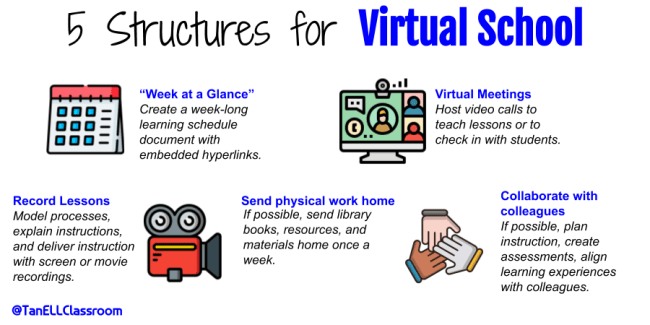
Guest Post: 5 Structures for Virtual School
by Tan Huynh
This post was originally published on Tan Huynh’s fantastic blog, Empowering ELLs. We’ve reposted here with his permission.

Due to the increase of schools and districts offering distance learning or virtual school in response to the COVID19 outbreak, I wanted to share how my school is structuring online learning for students. This is not an article directly related to working with language learners, but the suggestions can be applied to working language learners. Continue reading “Guest Post: 5 Structures for Virtual School”
Difference or Disorder?
Simple Steps to Start Your Conversations About Struggling ELs.
by Katharine Muller
English learners face many challenges in school: developing language, acquiring grade level content, and in some cases, adjusting to different social and cultural norms. But what happens when we suspect something more? How do we know it’s time to request a disability evaluation? Continue reading “Difference or Disorder?”
Sketchnoting with Students: The Why and How
by Valentina Gonzalez

Picture your classroom full of students. Are they a homogeneous group? Are they all alike? Do they learn the same way? Do they come with the same educational background? Do they bring the same life experiences? I’m going to guess your answer to those questions was no. In general, our classrooms are filled with students with varied backgrounds and experiences, and in turn, the way they perceive and learn may differ as well. Continue reading “Sketchnoting with Students: The Why and How”
Raising the Bar for our English Learners
by Marcy Voss
I recently gave a workshop for teachers of English learners and had an interesting conversation with one of the participants. This teacher had immigrated with her family to the United States when she was in middle school. Though she’d had Algebra in her home country, her new school placed her in a remedial math class. She weathered through the boring work, but her high school-aged brother eventually dropped out because he became frustrated when the instruction he received was not matched to his advanced learning needs. Continue reading “Raising the Bar for our English Learners”