Is it really a good idea to spend time having students write in content-area classes?
The answer is YES!
Here are some reasons and a few ideas on how to make writing time practical. Continue reading “ELs Writing in Content-Area Classes”

Developing Language in Every Classroom
Is it really a good idea to spend time having students write in content-area classes?
The answer is YES!
Here are some reasons and a few ideas on how to make writing time practical. Continue reading “ELs Writing in Content-Area Classes”
by Lora Beth Escalante
Happy Thanksgiving to you all (y’all, for some of you)!
This very American tradition has me reflecting on cultural differences and similarities. I occasionally forget that not all students in our classrooms know why we celebrate Thanksgiving. As teachers who receive and help educate students from across the globe, do we take the time to explain this holiday’s significance to our nation’s heritage? Most students would not be familiar with this national holiday, and yet they are given days or possibly an entire week off school to celebrate. Why do you find it important or unimportant to incorporate these types of discussions in your classroom (and I’m not just talking to history teachers)? What other American traditions or cultural caveats should students learn about? Continue reading “Common Sense or Culture?”
by Valentina Gonzalez
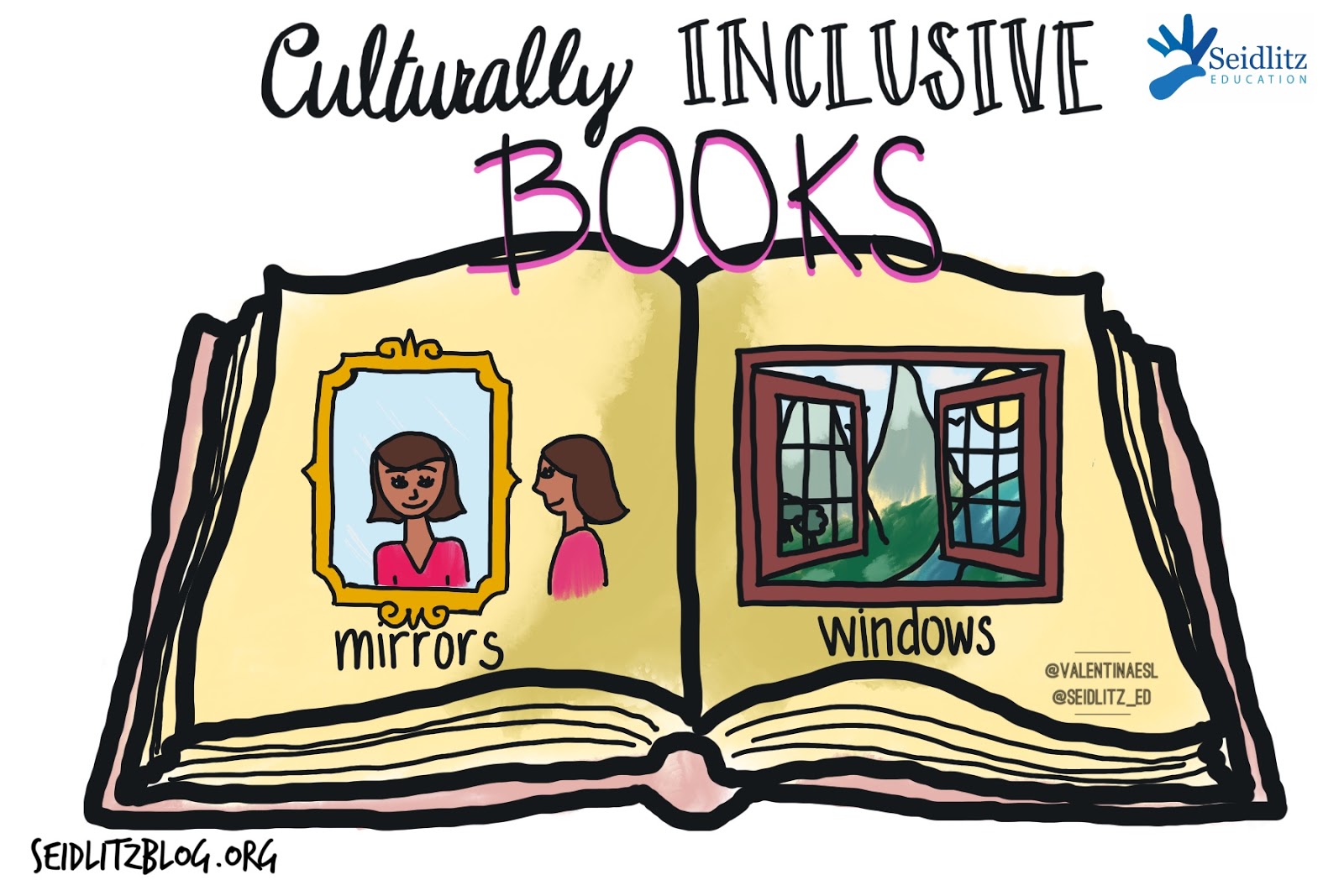
As the numbers of ELs in classrooms in the United States continue to rise, in some parts of our nation it may even be unusual not to have English learners. And like all students, ELs bring to our classrooms unique experiences reflecting their traditions and cultures.
And just like our diverse students, the books on our shelves should be reflective of those unique experiences. Yet on many classroom shelves, that may not be the case.
Continue reading “Why Representation in Classroom Books is Important: Culturally Inclusive Books”by Valentina Gonzalez
This is part 2 of a 2-part series on creating a clear vision for equitable instruction. Click here for part 1.
In part 1, we shared 10 techniques to consider for enhancing, reflecting on, or changing instruction to make it more equitable. This time, we will continue with 10 more techniques. As you read, think about your current practices and how they compare to the techniques in this list. What can you do to provide learning that reaches all students? Continue reading “2020 | A CLEAR Vision for Equitable Instruction: 20 Moves to Make This School Year The Best One YET! (Part 2 of 2)”
by Tina Beene
As months go, October was always my favorite. Changing leaves, cooling temperatures, college football, comfy sweaters … these are indeed a few of my favorite things, even though only one of the four applies here in Texas until at least mid-November. Still, I absolutely lived for that first crisp fall breeze, for driving without sweating, and for choosing activities based on interest versus A/C availability. Continue reading “Halloween Aside, October Is the Scariest Month of a Teacher’s Year”
(Part 1 of 2)
by Valentina Gonzalez
There is a clear difference between equal and equitable: equal means we all get the same thing; equitable means we all get what we need. In education, equitable instruction is essential to the success of the students, the teachers, and the community as a whole. It’s not enough that learning is equal. We know that our students have diverse backgrounds and different starting points. We also recognize that they come to us with varied needs. If we teach with a one-size-fits-all mindset, then we will miss the mark. Continue reading “2020 | A CLEAR Vision for Equitable Instruction: 20 Moves to Make This School Year The Best One YET!”
by Nancy Motley
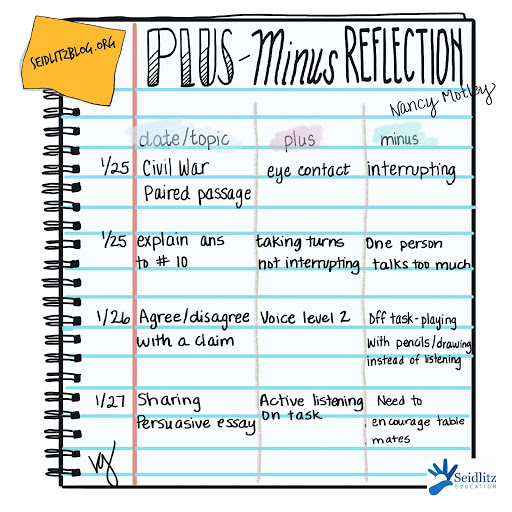
Most of the students I have taught did not arrive to my classroom with a well-developed skill set for engaging in academic conversations. I encountered a wide variety of challenges whenever I asked my students to talk to each other in class. They got off task immediately, one person took over the entire conversation, or no one wanted to talk. Continue reading “Plus-Minus: A Quick Reflection that Transforms Student Talk”
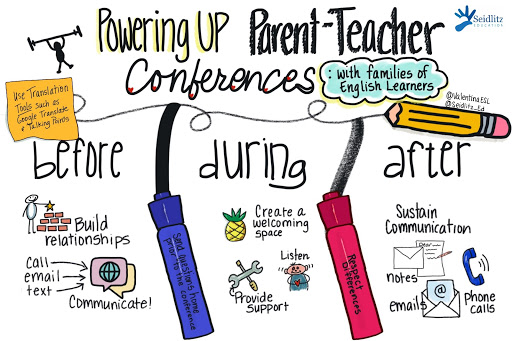
Building relationships between teachers and parents is also key to increase student motivation and academic achievement.
From my personal experience as an immigrant with parents who didn’t speak English when we came to America, I can tell you that the culture of the American school system was confusing to my parents. It was not like the school system where they grew up; the traditions and customs they knew were very different from those in America. Parental expectations varied, and involvement held a different meaning. Parents, students, and teachers held different roles. It took a long while for my parents to become accustomed to the American way. Rarely did they attend school events when I was young. I can imagine that many of my teachers may have thought this was a sign of disengagement or a lack of care for my education, when in fact, my parents brought us to America for a better education and a better future. Continue reading “Powering Up Parent-Teacher Conferences with Parents of ELs”
If it seems that family engagement has become a growing force on your campus or in your district, you may not be mistaken. The push for strengthening family engagement stems from changes that ESSA (Every Student Succeeds Act) brought forth in education. One change ESSA made was to strike “parental involvement”’ and insert “parent and family engagement.” Not only does this change intend to redefine how we, as educators, interact, but it also redefines who we are interacting with. With this shift, ESSA recognizes that schools and students benefit from the engagement of all family members, not just parents or guardians. Continue reading “Families as Partners: Family Engagement”
By the time I attended the first class for my alternative certification program, I had already been teaching (poorly) for two weeks. I was an emergency bilingual hire who’d been plucked from the masses the previous spring at a job fair for a district near where I was relocating after college. (I was so young and sheltered that my mom drove me to the job fair…and waited outside the room. I cringe to this day when I think of it, but in my defense I was from a very small town, Dallas is huge, and overpasses can be terrifying.) Continue reading “The Best Advice I Didn’t Take”

 Seidlitz Education